
Importing or launching a regulated product in Colombia? Validate your position before INVIMA does.
Sanctions imposed by Colombia’s National Institute for Food and Drug Surveillance (INVIMA) usually arise from recurring violations across regulated sectors. In food and beverage, non-compliance with Good Manufacturing Practices (GMP) and deficient hygiene and sanitary conditions in processing facilities are common. In the pharmaceutical sector, authorities frequently detect medicines or herbal products sold without the required sanitary registration, while in medical devices and cosmetics, recurring issues relate to commercialization authorizations and labeling requirements.
Among the most commonly sanctioned conducts are the sale of products without the required sanitary registration, misleading or unauthorized health-related advertising, improper therapeutic claims, failure to comply with import-related sanitary requirements, and the commercialization of expired, adulterated, or contaminated products. These violations may trigger health and safety measures as well as administrative sanctions — fines, product seizure, suspension of activities, or even closure of establishments — depending on the seriousness of the risk to public health.
For foreign companies, these issues are not merely regulatory. They can directly affect market-entry timing, distributor confidence, logistics planning, cost structure, and the overall credibility of the business in Colombia.
INVIMA compliance self-check
Answer 7 quick questions to get an indicative read on your regulatory exposure before importing or launching. This is an orientation tool, not legal advice.
0 of 7 answered
1Does your product already hold the INVIMA sanitary registration, permit, or notification required for Colombia?
2Have your labels been adapted to Colombian technical rules (e.g., Resolution 810 of 2021 for food)?
3Does your advertising avoid unverified therapeutic or curative claims (“cures,” “prevents disease”)?
4Have you confirmed the specific sanitary import requirements and supporting documents for your category?
5Since authorization, have you changed formulation, manufacturer, or the registration holder without reporting it to INVIMA?
6Is your manufacturing covered by valid Good Manufacturing Practices (GMP)?
7Is your sanitary registration currently valid and not near its renewal deadline?
The 10 checkpoints
A decision flow for sanitary violations in Colombia
Most enforcement traces back to one of ten failure points. Walk the flow from top to bottom: a “no” at any gate is where a sanitary violation usually begins. Tap a red gate to jump to the detail.
Does the product hold the required INVIMA registration, permit, or notification?
Is the label adapted to Colombian technical regulations?
Is your health advertising authorized and not misleading?
Do you avoid unsupported therapeutic or medical claims?
Are all sanitary import requirements and documents in place?
Were post-approval changes reported to or approved by INVIMA?
Is manufacturing covered by valid Good Manufacturing Practices?
Does the product use only authorized ingredients and substances?
Is the product genuine — not adulterated or fraudulent?
Is the sanitary registration still valid (renewed on time)?
In detail
Main types of sanitary violations in Colombia
Commercializing products without the required sanitary registration

One of the most serious mistakes is to manufacture, import, distribute, or commercialize food, medicines, cosmetics, or medical devices without the relevant sanitary registration, permit, or sanitary notification granted by INVIMA.
In Colombia, many regulated products are subject to prior sanitary control. Placing them on the market without the applicable authorization constitutes a sanitary violation.
- Law 9 of 1979
- Decree 677 of 1995 (medicines)
- Decree 3075 of 1997 and Resolution 2674 of 2013 (food)
- Decree 4725 of 2005 (medical devices)
Possible measures: product seizure, suspension of activities, closure of establishments, and administrative fines.
Non-compliance with labeling requirements

Another frequent issue is failing to comply with mandatory sanitary labeling requirements. Labels must include legally required information such as the identity of the manufacturer or importer, the sanitary registration number where applicable, ingredients, expiration date, health warnings, and any other mandatory information under the relevant technical regulations.
For food products, these obligations are primarily governed by Resolution 810 of 2021, which sets the technical regulation on nutritional labeling and front-of-pack warning labeling.
Possible measures: market withdrawal, product seizure, mandatory corrections, and administrative sanctions.
Unauthorized or misleading health-related advertising
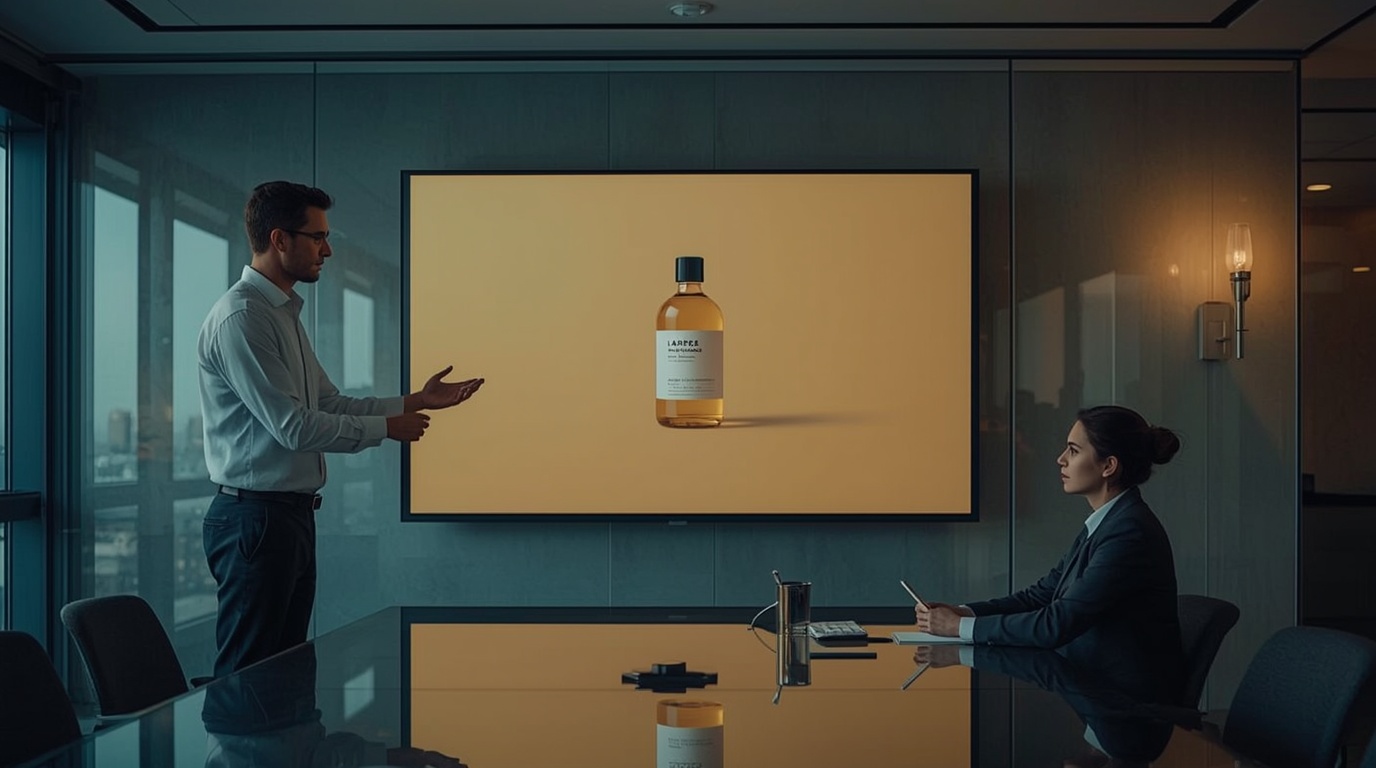
For medicines and other regulated products, health-related advertising is subject to specific restrictions. Disseminating promotional materials that have not been authorized, or that mislead consumers about the nature, use, benefits, or legal status of the product, may constitute a sanitary violation.
- Law 9 of 1979
- Decree 677 of 1995 (advertising of medicines)
Possible measures: advertising suspension orders, fines, and regulatory requirements issued by INVIMA.
Improper use of therapeutic or medical claims
A frequent mistake is attributing therapeutic, preventive, or curative properties to food products, dietary supplements, or cosmetics without authorization from the health authority.
Statements such as “cures disease,” “prevents cancer,” or “treats heart conditions” may constitute misleading advertising or a sanitary violation where the product is not legally classified as a medicine and lacks the supporting regulatory basis.
Possible measures: corrective orders, suspension of advertising, product withdrawal, or broader regulatory scrutiny.
Failure to comply with sanitary import requirements
Foreign companies often underestimate the regulatory steps required to lawfully place products on the Colombian market. Common mistakes include:
- failing to obtain prior sanitary registration where required;
- not providing manufacturer certificates;
- omitting technical product documentation;
- failing to meet sanitary import requirements.
- Decree 677 of 1995
- Decree 4725 of 2005
- Resolution 2674 of 2013
Possible measures: customs retention, seizure of goods, or prohibition of commercialization in Colombia.
Modifying products without prior notice or approval
Products that already have a sanitary registration must remain consistent with the conditions under which they were authorized. Changes to formulation, manufacturer, registration holder, production process, or other relevant characteristics may need to be reported to or approved by INVIMA in advance.
- Decree 677 of 1995
- Decree 4725 of 2005
Possible measures: suspension or cancellation of the sanitary registration.
Non-compliance with Good Manufacturing Practices (GMP)
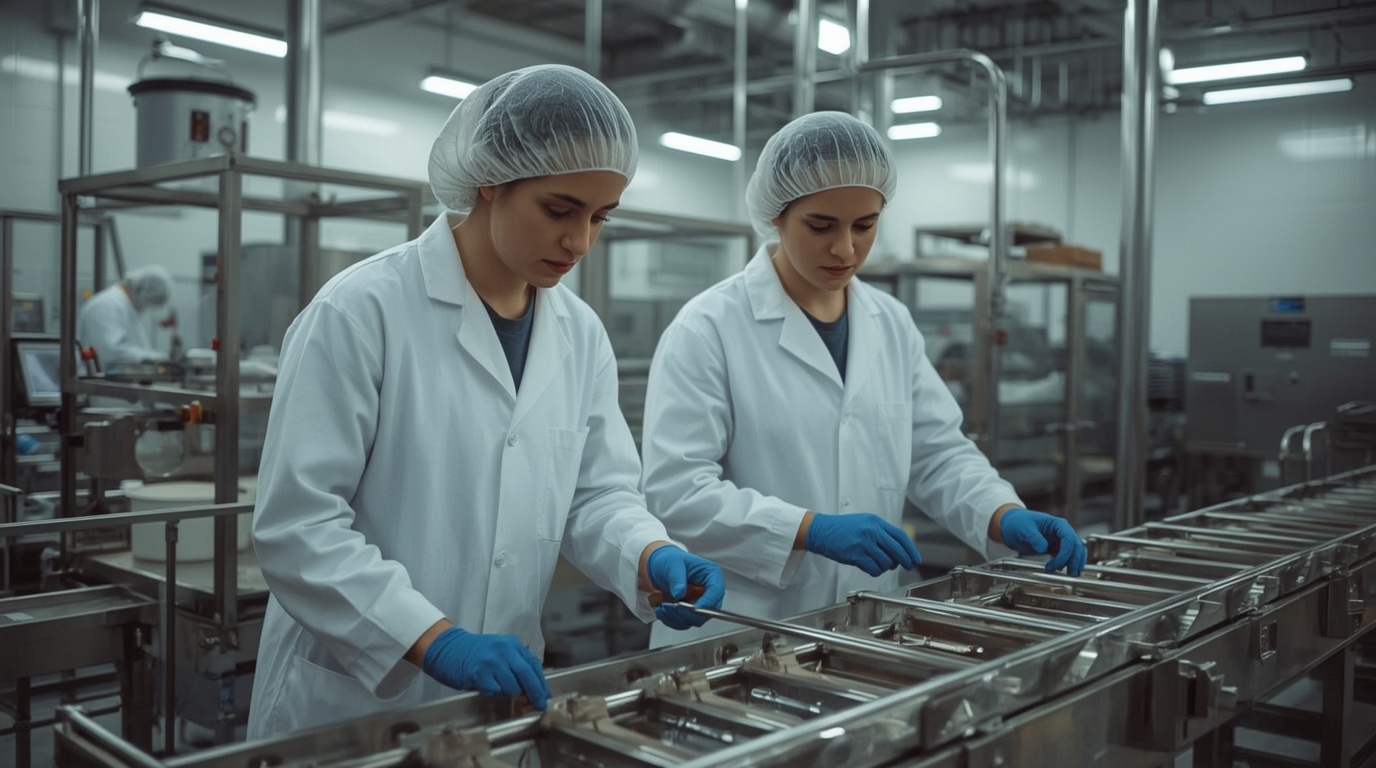
Companies manufacturing regulated products must comply with technical standards known as Good Manufacturing Practices, intended to ensure quality, safety, and traceability. These standards typically cover:
- hygienic and sanitary conditions of facilities;
- documentary control of processes;
- quality control systems;
- traceability of production.
- Decree 677 of 1995
- Resolution 2674 of 2013
Possible measures: temporary closure of facilities, suspension of activities, and economic sanctions.
Use of unauthorized ingredients or substances
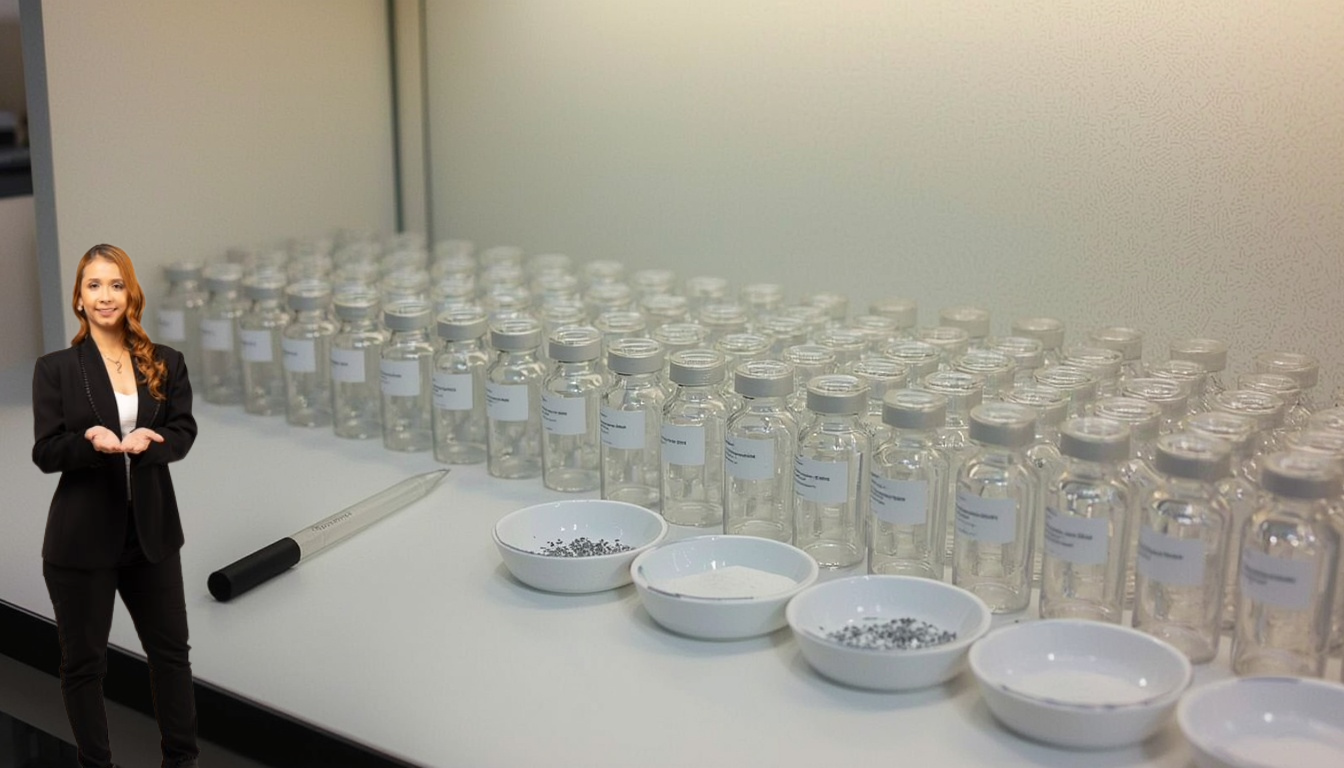
The use of prohibited or unauthorized ingredients is considered a serious sanitary violation. Examples include:
- unauthorized additives in food products;
- restricted ingredients in cosmetics;
- undeclared pharmacological substances in dietary supplements.
Possible measures: immediate withdrawal of the product from the market and seizure of the goods.
Commercialization of adulterated or fraudulent products

Selling adulterated products — those whose composition has been altered or which contain ingredients different from those declared — constitutes a sanitary violation under Colombian law.
- Law 9 of 1979
Possible measures: administrative sanctions and, in certain cases, criminal liability where public health is put at risk.
Failure to renew sanitary registrations on time

Sanitary registrations are valid only for a limited period and must be renewed within the legally established timeframes. If a company fails to renew on time, the product may be left without a valid sanitary authorization, making its manufacture, importation, or commercialization unlawful.
- Decree 677 of 1995
- Decree 4725 of 2005
Possible measures: health and safety measures plus administrative sanctions for irregular commercialization.
Ready to move forward?
Validate your regulatory position before entering the Colombian market
Whether you are in active planning, pre-launch, or already at customs, an early review helps you avoid the measures above.
Booking a call is best for planning and pre-launch stages · WhatsApp for quick or urgent questions.
Watch out
Common mistakes made by foreign companies
Based on Colombian sanitary regulation and INVIMA’s enforcement approach, a set of recurring mistakes shows up especially among importers and foreign companies introducing regulated products into Colombia.
- Assuming that approval in the country of origin is sufficient for Colombia.
- Failing to obtain the applicable sanitary registration or notification before launch.
- Using foreign labels without local regulatory adaptation.
- Making aggressive claims that exceed what Colombian law allows.
- Failing to structure the registration holder properly.
- Importing products without the required technical or supporting documentation.
- Modifying products after authorization without evaluating the regulatory implications.
- Underestimating the time needed for market entry from a regulatory standpoint.
The business cost: delayed market entry, reduced trust from the local distributor, logistical friction, correction costs, and an early impression of poor regulatory preparation.
Before importing, launching, or scaling a regulated product in Colombia, it is advisable to validate the regulatory route, technical documentation, labeling, and commercialization structure. At Nieto Lawyers, we help foreign companies identify these issues before they become costly barriers to entry.
Talk to us
Get a clear regulatory route before you commit resources
We assess your product category, documentation, and commercialization structure so you can plan a launch with fewer surprises.
FAQ
Frequently asked questions
Planning reality
Approximate INVIMA processing times
The timeframes below are indicative only and may vary with the product category, the quality of the documentation, technical review complexity, and administrative workload.
Timing reality check: INVIMA procedures should not be planned with fixed deadlines. These cards reflect predictability ranges, not guaranteed timeframes. Tap each category to expand.
Don’t assume all products follow the same timing. Verify first whether the product falls within the routes handled through InvimÁgil or under a different procedural path.
Incorrect risk classification, incomplete company registration, failure to complete the digital route, and dossier errors.
Since July 2025, INVIMA has stated that certain registrations, permits, and notifications for food and non-alcoholic beverages may be self-managed through InvimÁgil in as little as 24 hours — but this should not be generalized to all products or situations.Source: Invima
Build conservative launch timelines and assume technical review may take longer if the dossier is complex or requires clarification.
Pharmacological evaluation complexity, technical deficiencies, requests for additional information, and product-specific review burdens.
INVIMA provides medicine-specific formats and technical requirements, which shows review depends heavily on the type of medicine and the quality of the supporting file, not on a single universal clock.Source: Invima
Plan by device classification and technical complexity, not by a single standard estimate.
Incomplete technical file, risk-classification issues, missing supporting documents, and modification/renewal complexities.
INVIMA’s forms and guidance for devices focus on classification, documentation, and type of procedure — a sign that timing depends on the specific case.Source: Invima
Confirm the exact legal route first: NSO, renewal, amendment, or another associated procedure.
Errors in formulas, supporting documentation, or holder data, and failure to comply with the current Andean framework.
The legal framework must be read today in light of Andean Decision 833 of 2018, not just older references. Timing should be described carefully and linked to the actual NSO route in force.Source: Normograma INVIMA
Never leave these for the last minute. Build internal alerts and review whether the intended change requires prior filing or approval.
Late filings, poor change control, incomplete comparison data, and misunderstanding of the applicable amendment route.
Amendments and renewals are not just administrative updates; in regulated sectors they can materially affect continuity of commercialization if poorly managed. INVIMA’s guidance for medicine modifications is a good example.Source: Invima
In practice
Illustrative enforcement scenarios
Colombian health authorities have imposed multiple sanctions across sectors for non-compliance with sanitary regulations. Recurrent scenarios include:

Food
Companies sanctioned for manufacturing or commercializing products without the required sanitary registration, or without meeting mandatory hygienic and sanitary conditions.
Dairy
Producers sanctioned for failing to comply with food-safety technical regulations, leading to fines and product seizure.
Cosmetics & household products
Companies sanctioned for commercializing products without the required mandatory sanitary notification, or for failing to comply with labeling requirements.
These actions show that failures such as lack of sanitary registration, irregular labeling, unauthorized advertising, or commercialization of adulterated products may lead to significant fines, product seizure, suspension of activities, and even closure of establishments under Colombia’s National Health Code and applicable sector-specific regulations.
Final thoughts
A sanitary strategy, not just a filing

For foreign companies, Colombia offers significant commercial opportunities — but entering a regulated market without a clear sanitary strategy can generate avoidable delays, costs, and exposure.
In many cases the issue is not the product itself, but how it is classified, documented, labeled, promoted, imported, or modified after authorization. That is why regulatory compliance should be approached not merely as a filing exercise, but as part of the broader market-entry strategy.
At Nieto Lawyers, we advise foreign manufacturers, importers, distributors, and investors on how to approach Colombian sanitary regulation with greater legal certainty, stronger documentation, and a more reliable route to commercialization. If your company is preparing to enter with food products, medicines, cosmetics, medical devices, supplements, or other regulated goods, an early regulatory review can make the difference between an orderly launch and an avoidable compliance problem.
Start here
Let’s validate your route into Colombia
Book a focused regulatory review, or send us a quick message — whichever fits where you are right now.
This article is general information about Colombian sanitary regulation and INVIMA’s enforcement approach. It is not legal advice and does not create an attorney–client relationship. Regulatory routes and timeframes are assessed case by case; verify the requirements applicable to your specific product before importing, launching, or making regulatory decisions.