
An Australian case revealed that several sunscreens failed to deliver the promised SPF protection. What does Colombian law say about misleading advertising, and what role does INVIMA play in protecting consumers
A Case That Raised Global Alarms: Australia Under the Sun
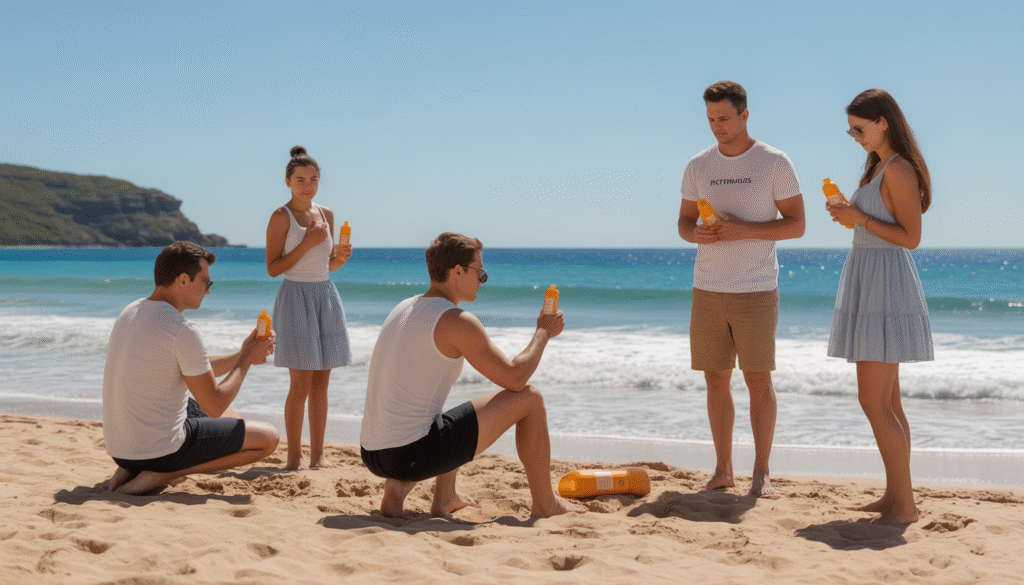
Imagine buying an SPF 50+ sunscreen, convinced it will protect your skin against skin cancer—only to discover that it does not deliver the promised protection.
This is exactly what happened in Australia, where the consumer rights organization Choice analyzed 20 sunscreen products and found that 16 did not meet the labeled sun protection factor (SPF). The most concerning case was Lean Screen SPF50+ by Ultra Violette, prompting the Therapeutic Goods Administration (TGA) to open formal investigations. Some brands even suspended sales voluntarily to conduct new testing.
The result: alarmed consumers, questions about the reliability of sunscreens, and a global call for stricter oversight.
What If This Happened in Colombia?
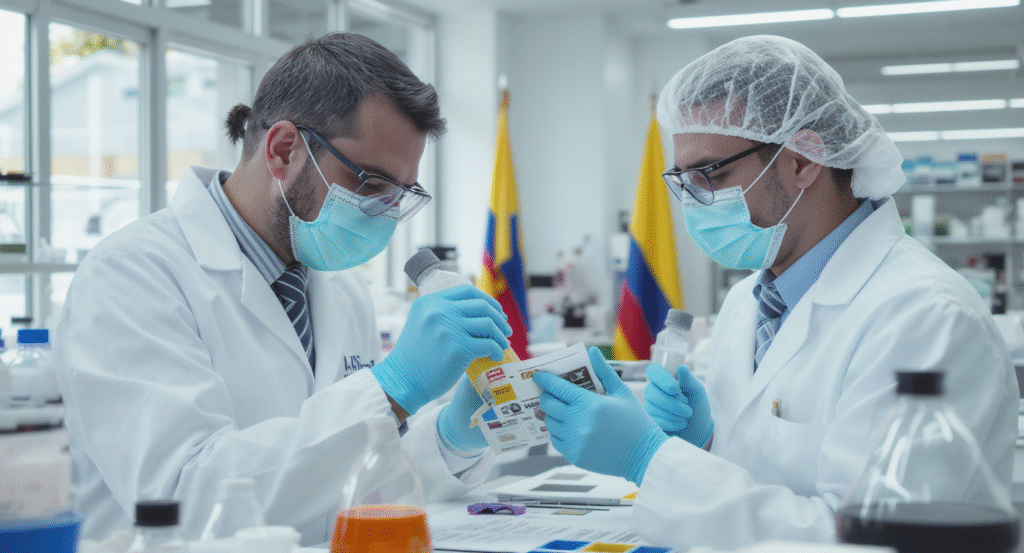
In Colombia, sunscreens are regulated and monitored by INVIMA (National Food and Drug Surveillance Institute) as cosmetic products. Before entering the market, laboratories must technically certify the SPF and ensure that the labeling matches the actual protection.
But what happens if a product misleads consumers?
Here, the Consumer Protection Statute (Law 1480 of 2011) applies:
- Misleading advertising (Art. 30): occurs when a product induces error regarding its characteristics or benefits.
- Sanctions (Art. 61): include fines of up to 2,000 minimum monthly legal wages (SMLMV), mandatory product recalls, and compensation to affected consumers.
A sunscreen that claims SPF 50+ but delivers significantly less protection would fall squarely under this category.
Liability for Defective Products
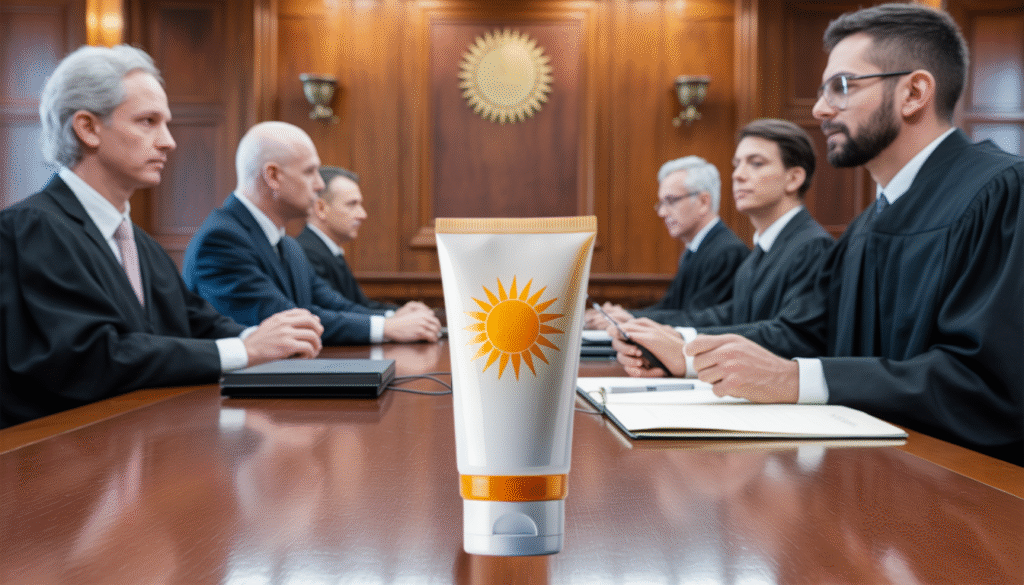
If the failure directly affects consumer health or safety, the product may be classified as defective, triggering liability under Articles 19 to 21 of Law 1480 of 2011.
This exposes companies to:
- Civil liability lawsuits.
- Administrative proceedings before the Superintendence of Industry and Commerce (SIC).
- Immediate sanitary alerts and enforcement actions by INVIMA.
Conclusion: Labels Must Be Backed by Science

The Australian case demonstrates that consumer trust in labels is not enough: scientific evidence and regulatory oversight are essential.
In Colombia, consumers have legal tools to defend their rights, and companies must implement robust compliance systems to reduce reputational and legal risks.
At Nieto Lawyers, we advise both companies and consumers on cases of misleading advertising and liability for defective products.
If your company manufactures, imports, or distributes sunscreens or cosmetics in Colombia, we can help you ensure compliance with local regulations and reduce legal risks.
[Contact us today] to make sure your brand is protected against sanctions from INVIMA and the SIC.

FAQs on Sunscreens and Regulation in Colombia

Who regulates sunscreens in Colombia?
INVIMA, under Andean Decision 833 of 2018 and national regulations on cosmetic products.
What happens if a sunscreen fails to deliver the protection stated on its label?
It is considered misleading advertising under Law 1480 of 2011, which can result in SIC sanctions and product recalls.
What legal risks do companies face?
Fines of up to 2,000 colombian monthly minimum wage , civil liability for defective products, and loss of consumer trust.
What can consumers do if they were misled?
They may file complaints before the Superintendence of Industry and Commerce (SIC) and report sanitary alerts to INVIMA